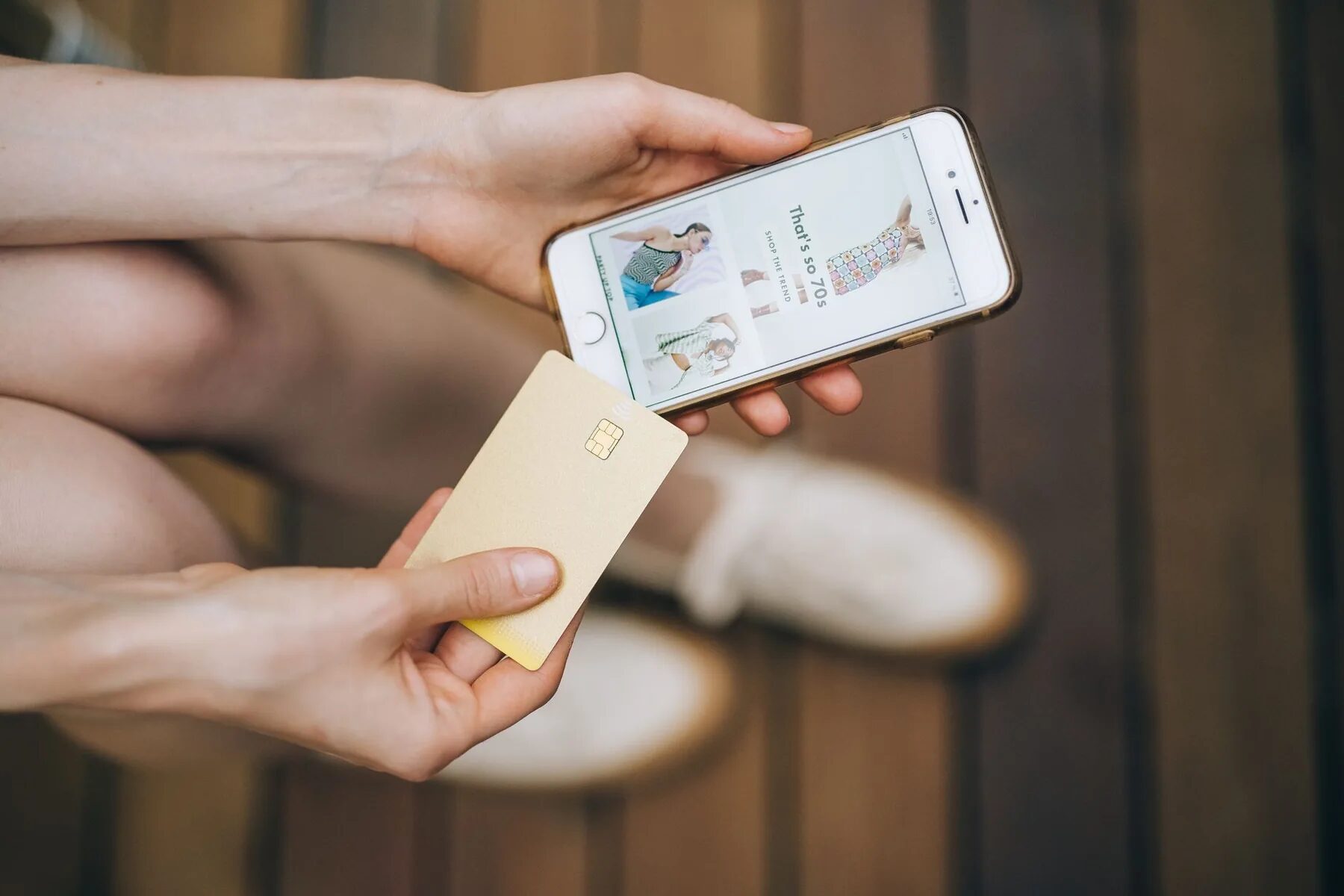
Your money. Your card. Your decisions. But where do you start?
SUNDAY GIRL CLUB | THE MONEY EDIT
Getting your first bank account is a pretty big milestone. Whether it's somewhere to keep your birthday money, save for something special or have your wages paid into when you start working, it's your first real step towards managing your own money.
And yes, having your own debit card feels pretty good too.
But with so many accounts out there, which one should you choose? And what's the difference between a current account, a savings account and a credit card?
We've got you.

First things first, how old do you need to be?
In the UK, many banks offer accounts from age 11, although some start younger. Depending on your age and the bank, you might need a parent or guardian to help you open one.
Once you're 16, more banks allow you to apply independently.
You'll usually need identification, such as a passport or birth certificate, and sometimes proof of your address.
Current account or savings account?
Current account: Think everyday money. Buying lunch, shopping, going out with friends and getting paid from a part-time job. Most come with a debit card and an app to check your balance.
Savings account: For the money you're putting aside. Maybe for driving lessons, a festival, a holiday or a laptop. Some savings accounts also pay interest, meaning the bank adds a little extra money to your savings.
You can have both, and keeping your savings separate from your everyday spending money can be a smart move.
So, which banks are worth looking at?
We've picked six UK options, from app-based banking to high street favourites.
Monzo

Ages 6–15 and 16–17
If you like managing everything from your phone, Monzo is worth a look. You can track spending, get notifications and set money aside in Pots.
The under-16s account needs a parent or guardian with Monzo, but at 16–17 you can apply independently.
Starling Bank

Ages 6–15 and 16–17
Another good option for anyone who wants to do their banking on their phone. Starling lets you see what you're spending and create Spaces for things you're saving towards.
Younger teens can use a card connected to a parent's account, while 16–17-year-olds can open their own current account.
Nationwide FlexOne

Ages 11–17
Want to spend and save? FlexOne gives you everyday banking with the option to earn interest on your balance.
You can use its app or visit a branch, and there's no monthly account fee.
NatWest Adapt

Ages 11–17
A straightforward first account with a debit card, mobile banking and interest on your balance.
If you're 11–15, you'll need a parent or guardian who banks with NatWest. At 16–17, you can apply yourself.
HSBC MyMoney

Ages 11–17
This one gives you a current account and a linked savings account, which could be handy if you want to start putting money aside straight away.
It comes with a contactless debit card and mobile banking.
Santander 1|2|3 Mini

Ages 11–17 for your own card
Another option if you're interested in saving. The account pays interest on eligible balances, and you can choose a debit card or a cash card.
From age 13, you can open and manage the account yourself.
Which one should you choose?
If you love the idea of banking through an app, Monzo and Starling are worth exploring.
If saving is your priority, compare the interest options from Nationwide, HSBC and Santander.
And if you'd rather have a local branch you can visit, a traditional high street bank might suit you better.
There's no single winner. Check the age requirements, account features, charges and current interest rates before making your choice.
Your debit card isn't free money
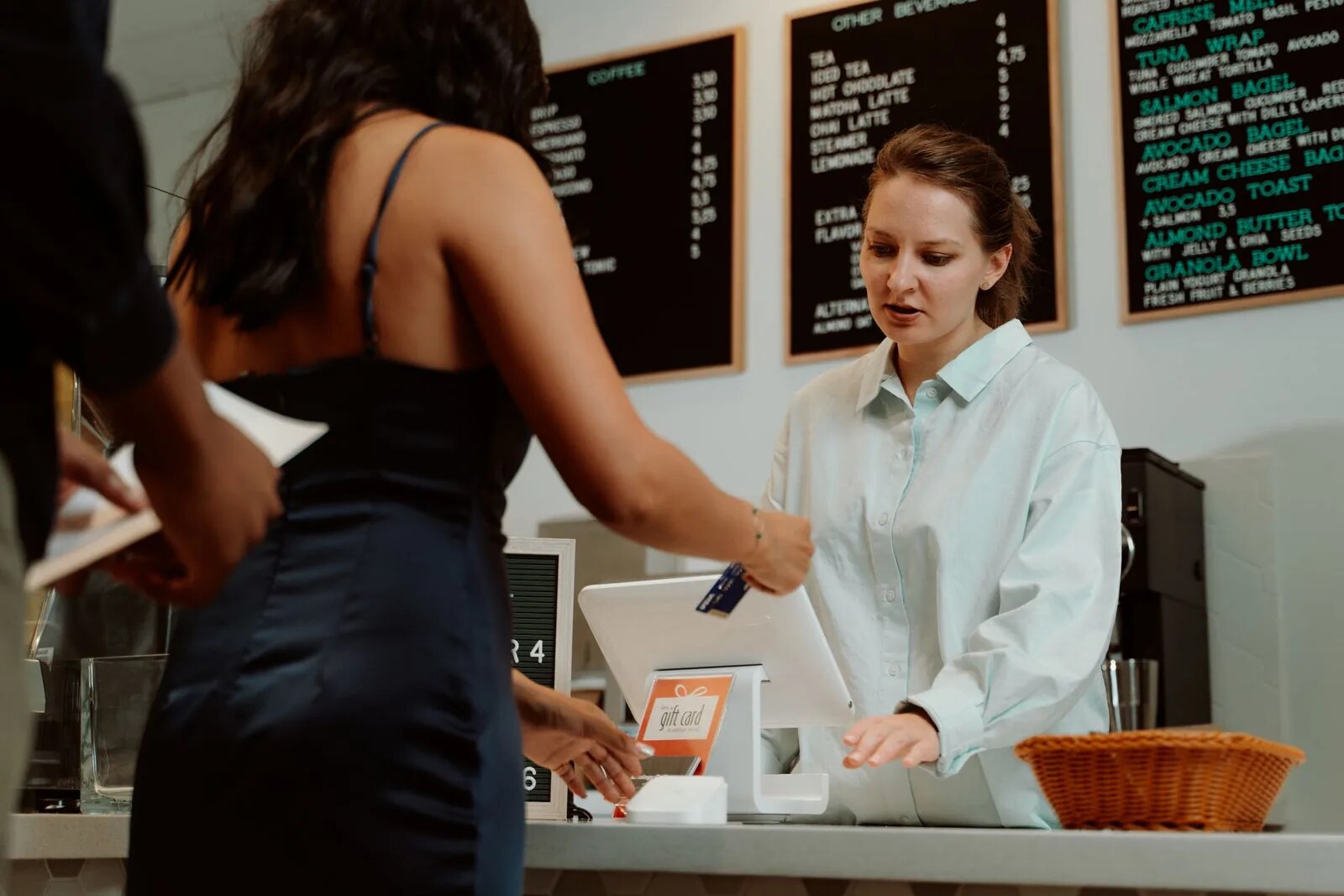
Here's something worth remembering: when you use your debit card, the money comes straight out of your account.
If you've got £50 and spend £20, you're down to £30.
A credit card is different because you're borrowing money and may have to pay interest if you don't pay it back in full.
Credit cards are generally for people aged 18 and over. For your first account, a debit card is probably all you need.
Where did all my money go?
A matcha on Monday. A lip balm on Wednesday. A quick online order on Friday.
None of those purchases seemed expensive, but suddenly your balance is looking rather sad.
The thing about contactless and online shopping is how easy they make spending.
Try checking your banking app regularly. Some apps can even break down your spending so you can see exactly where it's going.
It's not about feeling guilty for buying things you like. It's about knowing what you can afford.
And don't forget to keep your money safe
Never share your PIN, password or banking security codes. Be wary of random messages claiming there's a problem with your account, and don't click links you're unsure about.
If you lose your card, most banking apps let you freeze it while you look for it.
And if someone asks to use your account to receive or move money, even if they offer to pay you, say no. It could be a scam.
The bottom line
Opening your first bank account isn't just about having a card in your wallet.
It's about having your own money, understanding what you're spending and starting to save for the things you really want.
You don't need to know everything about money straight away. You'll learn as you go.
And whether you've got £20, £200 or your very first wages going into that account, getting into good habits now is a pretty good place to start.
Sunday Girl Club | The Money Edit
Account features, age requirements and interest rates can change. Always check the bank's latest terms before applying. This is an independent editorial guide, not a sponsored recommendation.