
Your first driving lesson, finding the right instructor and everything you need to know before you hit the road.

Seventeen is a big birthday. Not just because you're getting older, but because suddenly driving lessons are on the cards.
No more asking for lifts. No more standing at the bus stop in the rain. Just you, your favourite playlist and the dream of having your own wheels.
Okay, there's a little bit to learn before all that. But everyone has to start somewhere.
Whether you're desperate to get behind the wheel or the thought of driving makes you slightly nervous, here's the SGC guide to getting started.
First things first: Can you drive at 17?
In the UK, most people can start learning to drive a car at 17. You'll need a provisional driving licence before your first lesson.
In Great Britain, you can apply for one from 15 years and nine months, although you'll normally have to wait until you're 17 to drive a car.
And no, you don't need to pass your theory test before you start having lessons.
Finding your driving instructor
This is a big one. You're going to spend quite a few hours sitting next to this person, so finding someone you feel comfortable with really matters.
Ask your friends, older siblings or people at school or college who they've used.
Before booking, find out:
- Are they properly qualified and registered to teach?
- How much do they charge per lesson?
- Do they have availability after school, college or work?
- Do they offer manual and automatic lessons?
- What's their cancellation policy?
- Can you book one lesson before committing to a package?
And here's something worth remembering: if you don't click with your instructor, you can change. You want someone who's patient, encouraging and makes you feel confident, not terrified of getting something wrong.
In Great Britain, paid instructors must be registered, either as approved instructors or licensed trainees.
Manual or automatic? Decisions, decisions.
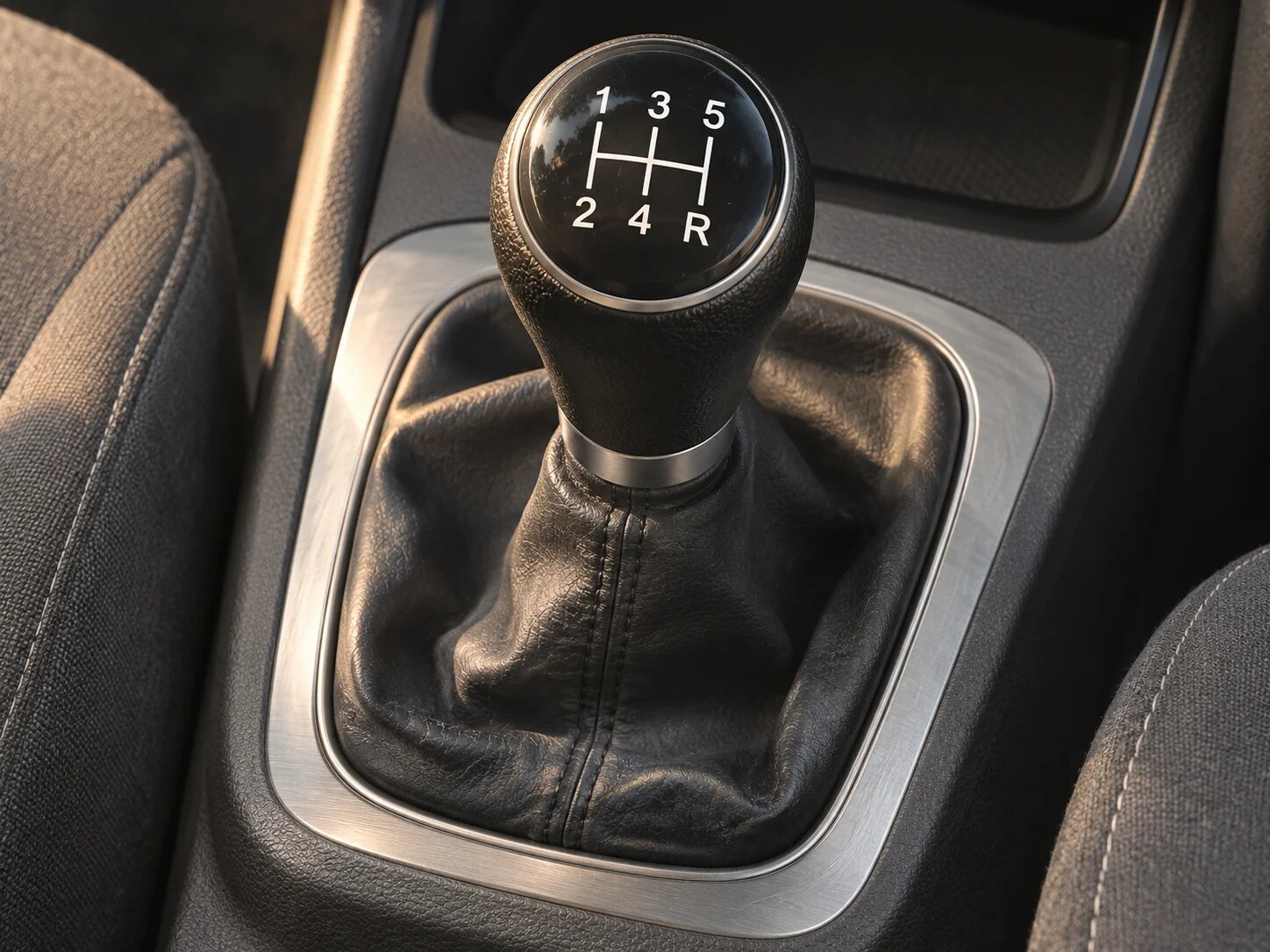
Manual
You'll learn to change gears and use the clutch. Pass in a manual and you can drive both manual and automatic cars.
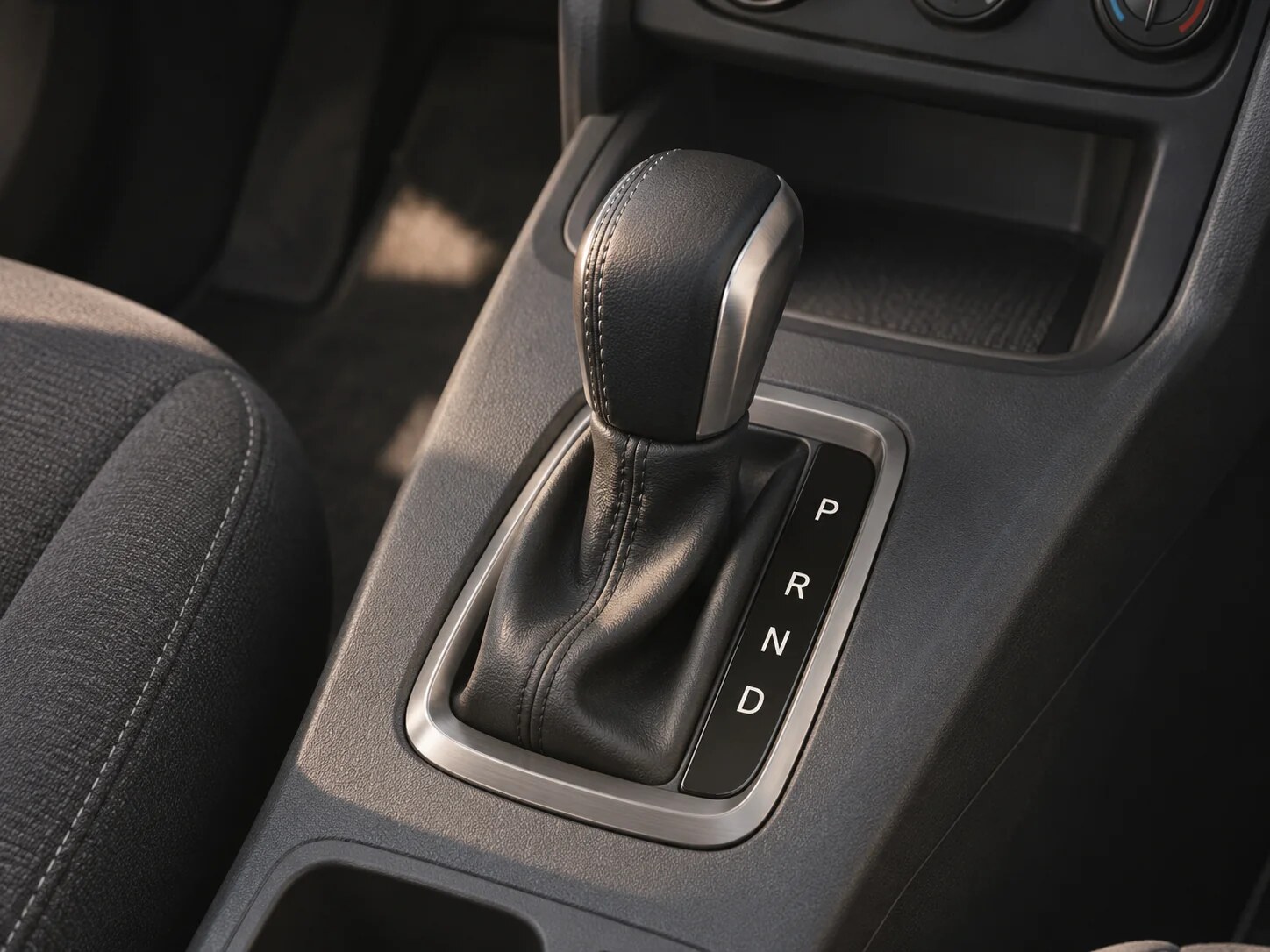
Automatic
No clutch pedal or changing gears yourself. It can feel easier to get started, but passing in an automatic only qualifies you to drive automatics.
Neither is the wrong choice. Think about what you might want to drive in the future before deciding.
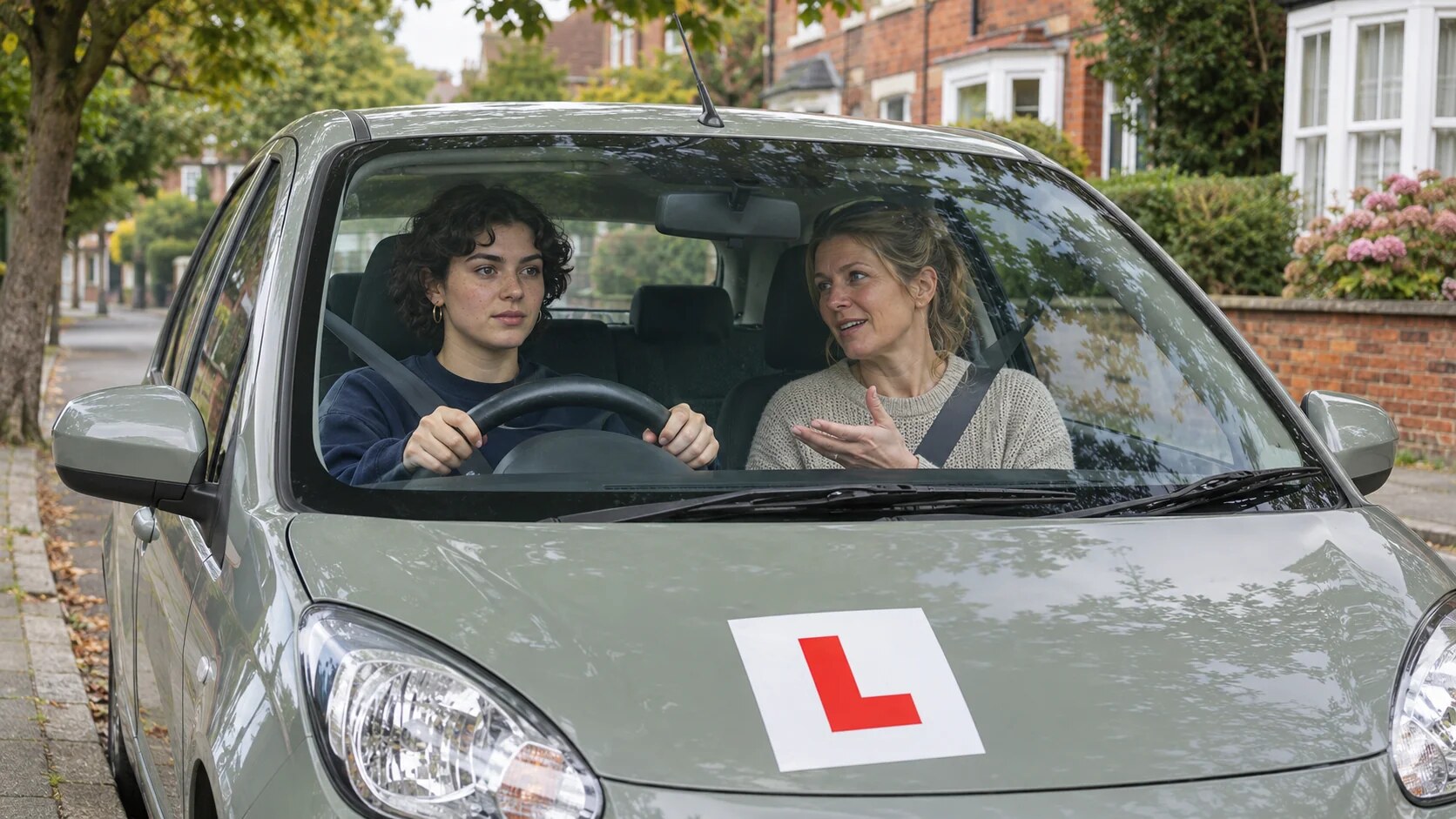
Your first lesson: What actually happens?
Don't worry, nobody expects you to pull off a perfect three-point turn in the first ten minutes.
You'll usually start somewhere quiet. Your instructor will introduce you to the controls, explain the mirrors, show you how to adjust your seat and help you get comfortable.
Then comes the exciting bit: actually moving the car.
You might stall. You might brake a little too sharply. You might forget which pedal does what.
Welcome to learning to drive!
Let's talk money
Driving lessons aren't cheap, and prices vary depending on where you live, the instructor and the type of lesson.
Before you start, work out what you can afford. Some people prefer weekly lessons, while others save up and book blocks.
Don't automatically choose the cheapest instructor. A good teacher who helps you develop safe driving skills is worth looking for.
And remember to budget for your provisional licence, theory test and practical test as well as lessons.
The theory test: Yes, there's homework
Road signs, stopping distances, hazard perception. It's not exactly the glamorous part of driving, but it matters.
Start learning the Highway Code while you're having lessons. Little and often is much better than cramming everything the night before.
You'll need to pass your theory test before you can book your practical test.
Can you practise with Mum, Dad or someone else?
Absolutely, provided the person supervising you meets the legal requirements and the car is properly insured for you to drive.
In general, your supervisor needs to be at least 21 and have held the appropriate full driving licence for at least three years.
Practising between professional lessons can really help build your confidence, but make sure your instructor thinks you're ready for it.
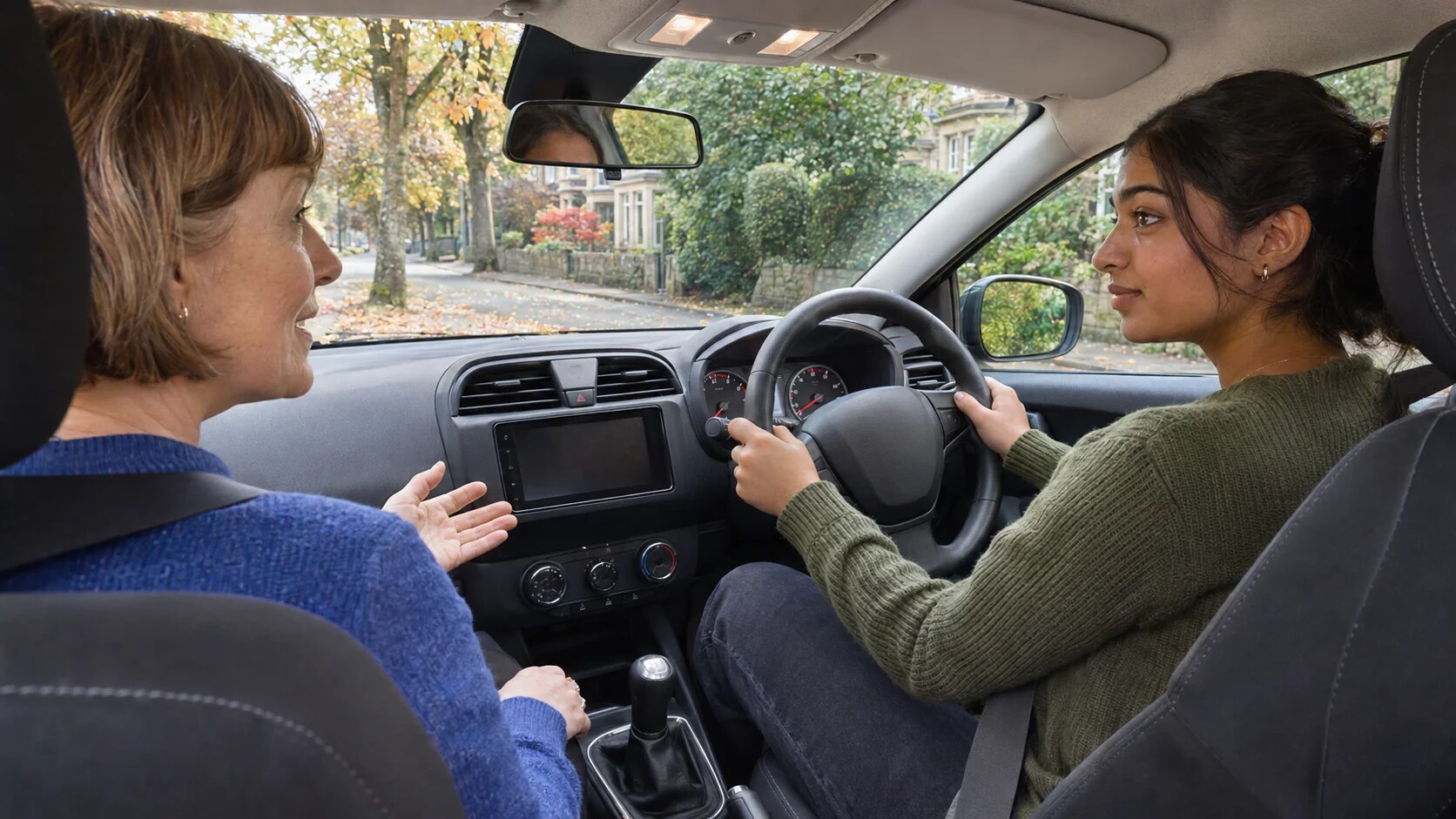
And what if you fail your test?
You're not the first and you definitely won't be the last.
Plenty of brilliant drivers didn't pass first time. Driving tests can be nerve-racking, and sometimes things don't go to plan.
Take the feedback, work on what went wrong and try again when you're ready.
One failed test doesn't make you a bad driver.
SGC's final word
Learning to drive is one of those milestones that feels properly grown-up. It gives you independence, confidence and a whole new world of possibilities.
But there's no race to pass before your friends. Some people are ready at 17. Others start at 18, 19 or much later.
And if you're still a little nervous? That's completely normal.
The goal isn't to pass the fastest. It's to become a confident, safe driver.
One day, you'll be taking that first solo drive, choosing the music and wondering how you ever managed without it.
Girls, who's learning to drive? Manual or automatic? And who's already counting down to their 17th birthday?
Editor's note: Driving rules differ in Northern Ireland, where changes introduced in October 2026 include a minimum learning period for new provisional licence holders. Check the rules that apply where you live.